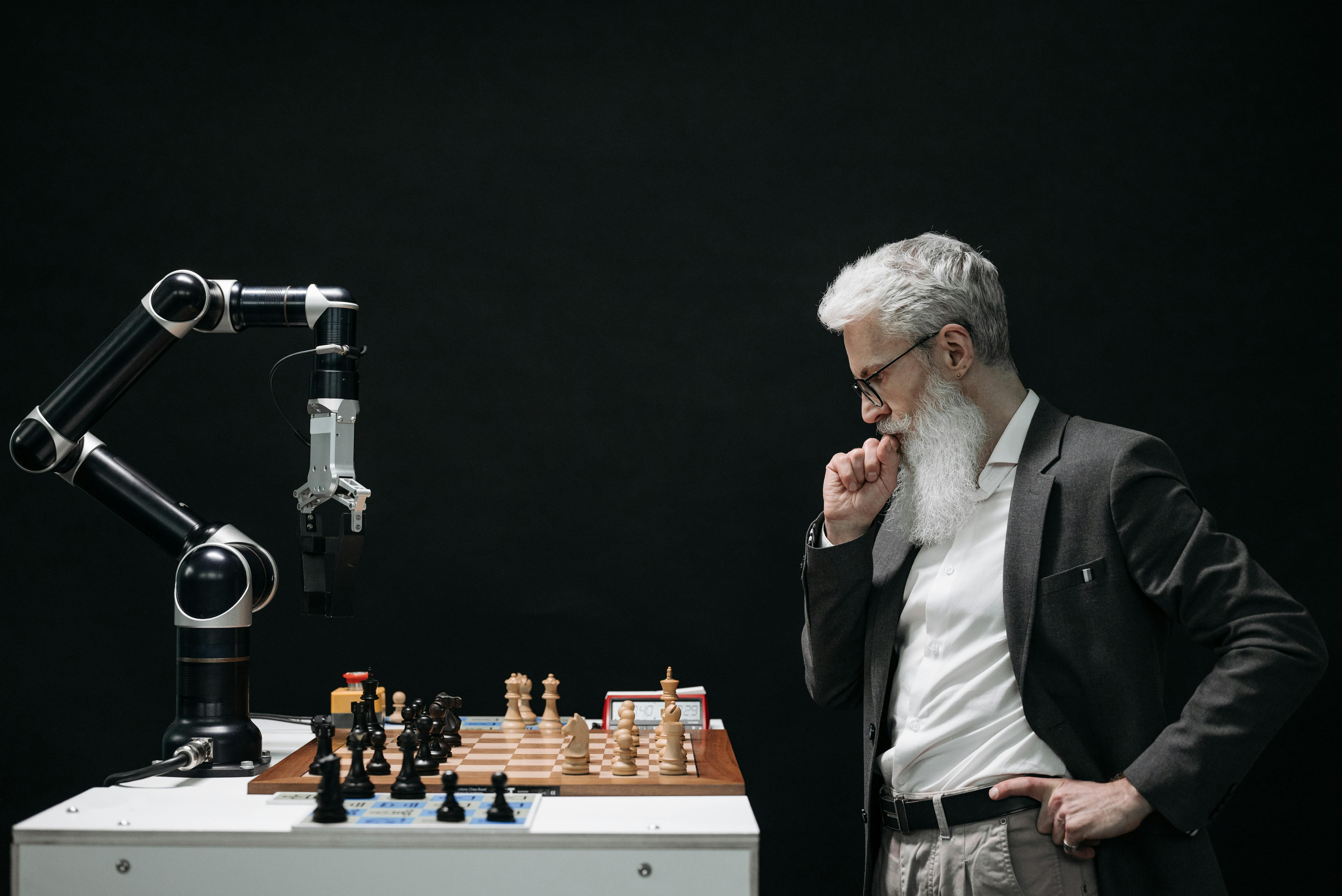
Healthcare has always been an information-dense field, but the volume, variety and urgency of clinical data have outpaced what care teams can process manually. Artificial intelligence is closing that gap, not by replacing clinicians, but by giving them sharper tools to see patterns earlier and act with more confidence.
Diagnostic accuracy at scale
Computer vision models trained on millions of medical images can now flag anomalies in radiology, pathology and dermatology scans with a consistency that's difficult to match manually, especially across long shifts. The goal isn't a second opinion that overrides a doctor's judgment; it's a first pass that surfaces the cases needing the most attention, sooner.
- Faster triage of high-risk imaging studies
- Fewer missed findings in routine screenings
- More consistent results across facilities and shifts
Personalized treatment planning
Machine learning models can combine a patient's genetic profile, history and real-time vitals to suggest treatment paths tailored to that individual, rather than relying solely on population-wide averages. This shift toward precision medicine is one of the clearest examples of AI improving outcomes rather than just improving efficiency.
Reducing operational strain
Beyond the exam room, AI is easing the administrative load that contributes heavily to clinician burnout: automated documentation, intelligent scheduling and predictive staffing models free up hours that can go back into patient care.
What to watch for
As adoption grows, the hardest problems are no longer purely technical. Model transparency, bias auditing and clear accountability for AI-assisted decisions will determine which systems earn lasting trust from both clinicians and patients.
Looking ahead
The next few years will likely bring tighter integration between diagnostic, treatment and operational AI systems, moving from isolated point solutions toward connected platforms that support a patient's entire care journey. Healthcare organizations that invest in that integration now will be best positioned to benefit as the technology matures.

Elena Ruiz
Health-tech writer covering applied machine learning and clinical AI systems.